

Longer-Lasting HVAC Drain Pan Treatment for Routine Preventative Maintenance
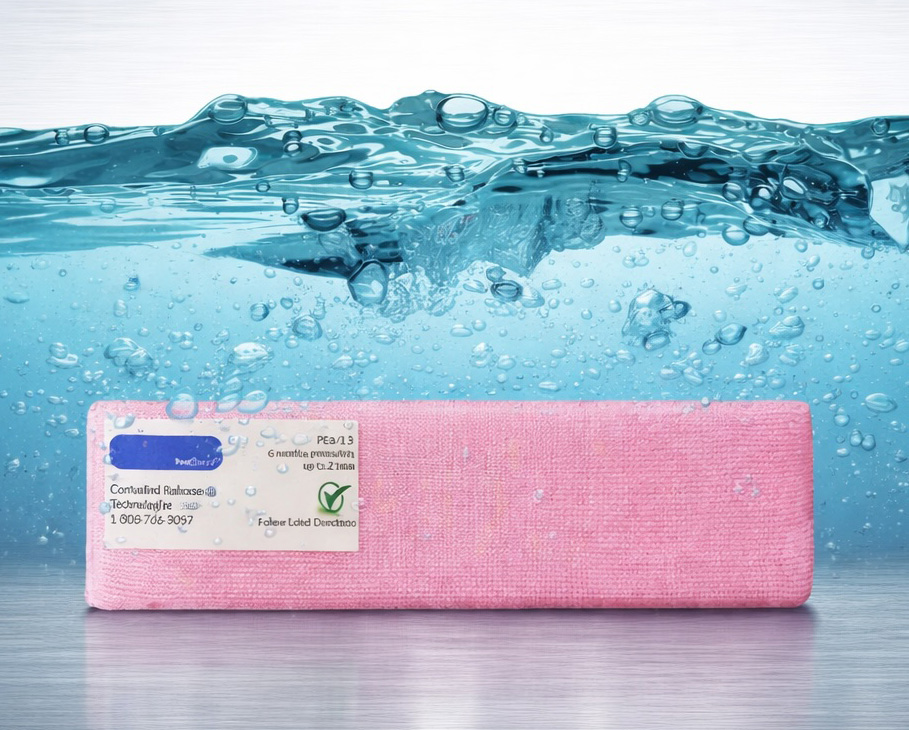
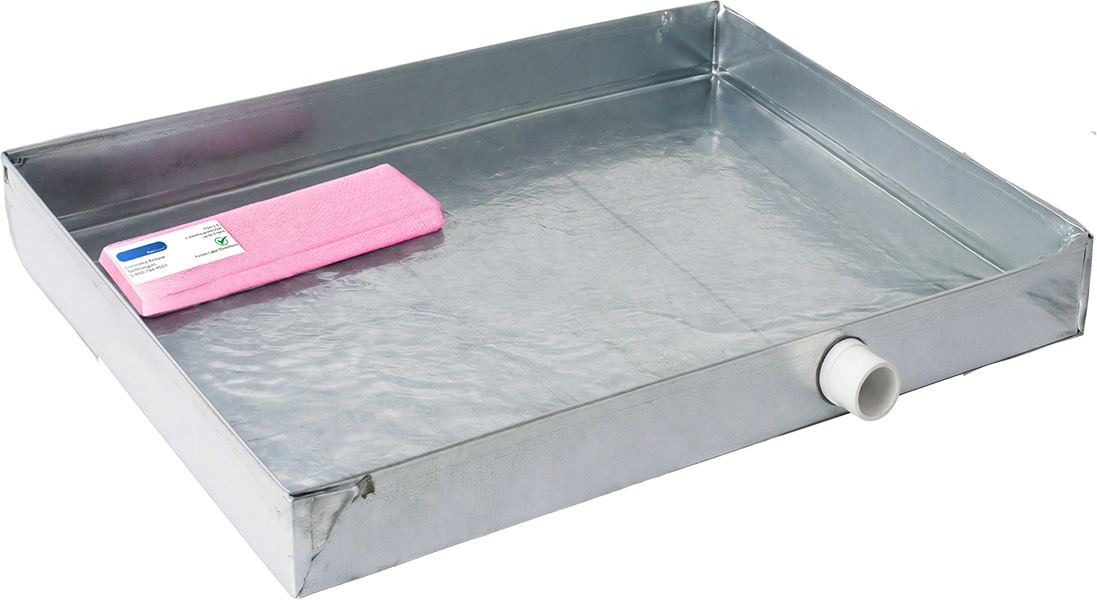
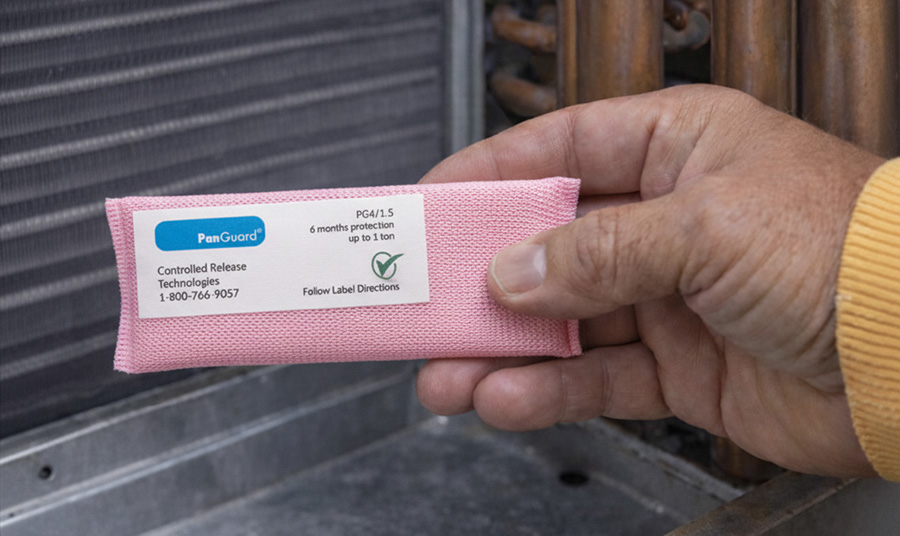
PanGuard is a time-release polymer strip designed to support cleaner HVAC drain pans, reduce repeat labor, and simplify preventative maintenance with up to 6 months of protection. Its water-activated polymer technology continuously releases cleaning agents as condensate flows through the pan.
- Up to 6 months of time-release protection
- Corrosion and rust inhibitor
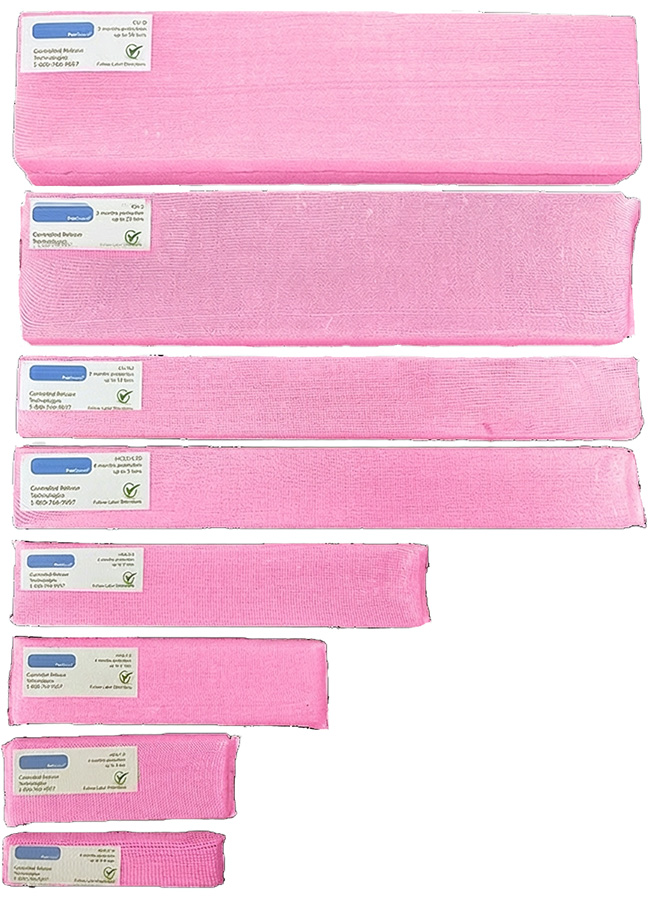
- Sized by unit tonnage to help eliminate guesswork
Product visuals
At a glance
Quick qualification for techs, facility managers, and distributor teams. Full details are in the spec sheet.
Untreated drain pans lead to buildup, corrosion, and costly maintenance issues
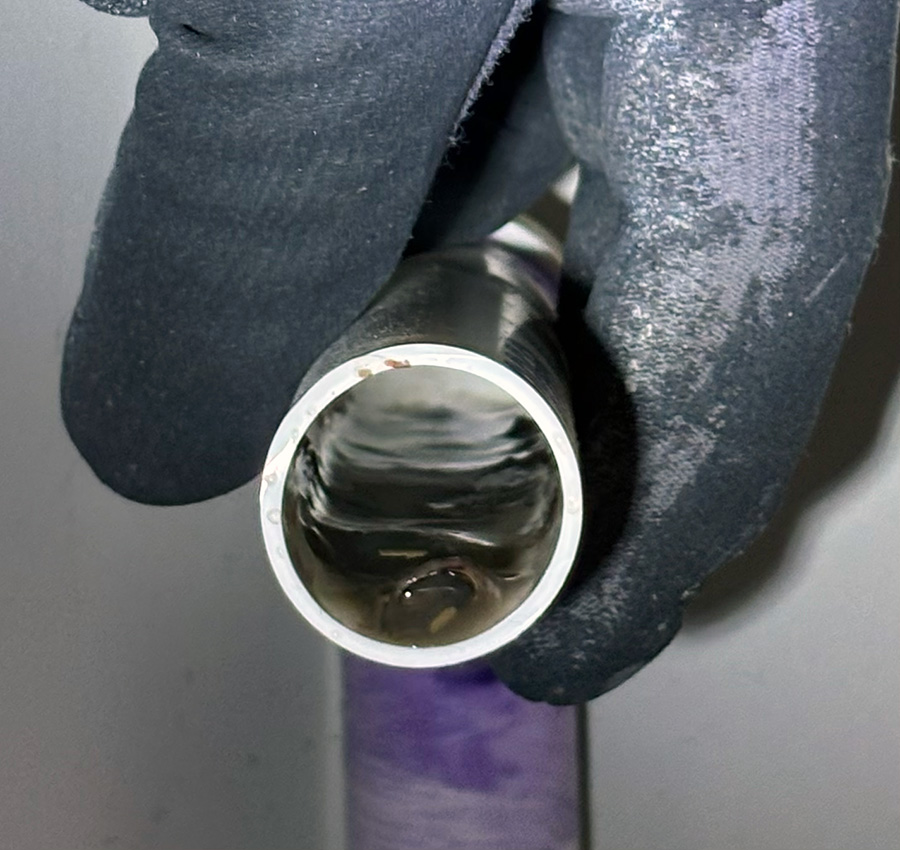
HVAC drain pans are constantly exposed to moisture, creating an environment where buildup, corrosion, and drainage issues can develop over time. Without consistent treatment, these problems can lead to clogs, overflow, water damage, and increased maintenance demands.
- Standing water can lead to corrosion and rust over time
- Buildup can restrict drainage and contribute to clogs
- Blocked drain lines increase the risk of overflow, leaks, and water damage
- Uncontrolled conditions can create recurring maintenance issues
- Inconsistent treatment leads to more frequent service calls
Key benefits
Focus on outcomes that matter to operators and maintenance teams: cleaner operation, preserved performance, fewer complaints, and less maintenance churn.
Longer protection
One polymer strip provides up to 6 months of protection, helping reduce frequent replacement cycles.
Reduced labor costs
Supports less frequent service positioning compared with weekly or monthly tablet dosing.
Cleaner pans and drain lines
Helps support cleaner operation and flowing drain lines within regular maintenance programs.
- Non-dissolving polymer core: Maintains consistent performance without shrinking, dissolving, or leaving residue behind like traditional tablets.
- Helps prevent overflow issues: Supports cleaner drainage and helps reduce the risk of overflow, leaks, and water damage caused by clogs or restricted flow.
- Corrosion and rust inhibitor: Built to help support cleaner pans while reducing corrosion-related concerns.
- Sized by tonnage: Multiple sizes based on unit tonnage help eliminate guesswork and simplify contractor selection.
Polymers vs tablets
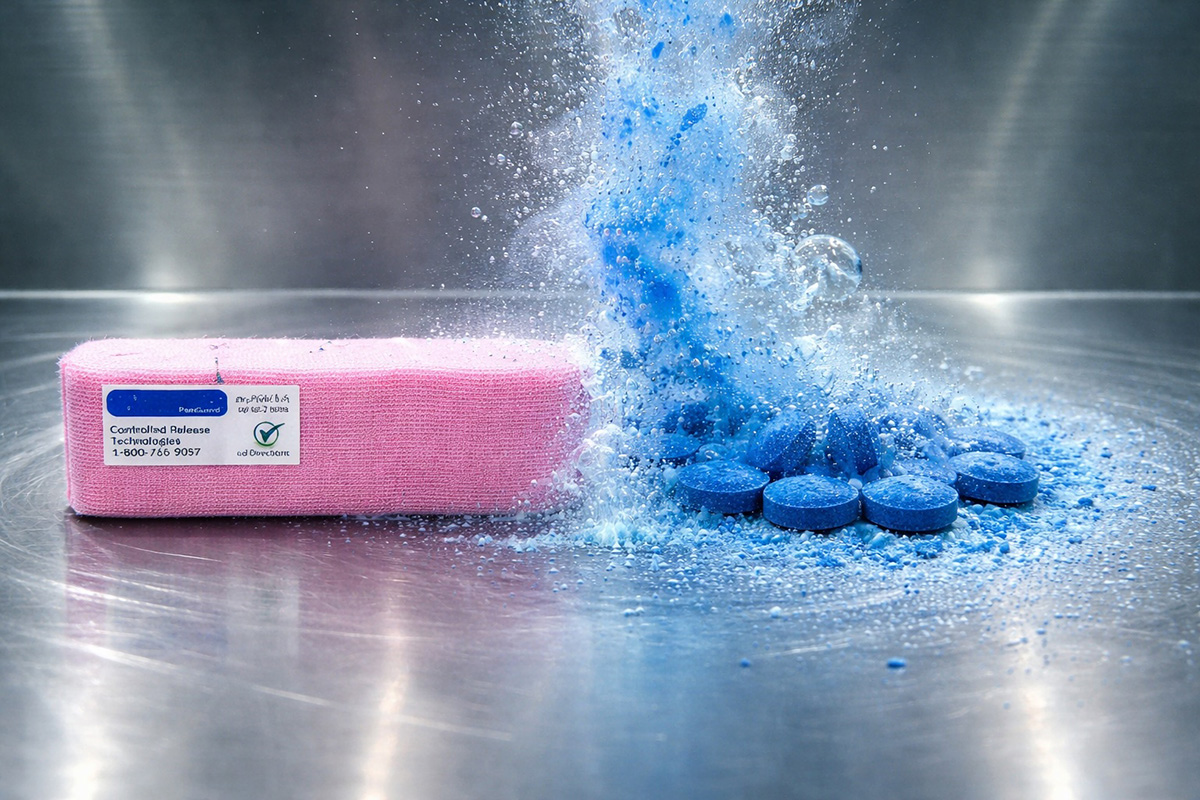
PanGuard polymer strips
PanGuard is positioned as the longer-lasting, lower-labor solution for routine preventative maintenance.
- One strip provides up to 6 months of protection
- Supports cleaner pans and flowing drain lines
- Less frequent service helps lower labor costs
- Corrosion and rust inhibitor
- Sized by unit tonnage
Traditional tablets
Traditional tablets typically require more frequent servicing and create a weaker long-term maintenance story.
- Frequent dosing increases labor costs
- Weekly or monthly service intervals use valuable time
- Frequent replacement adds service burden
- Can contribute to pan corrosion and rust
- Less distinctive product positioning
Why it matters
For distributors, contractors, and facility teams, treatment format directly affects labor cost, service frequency, and how confidently the product can be sold.
- Supports premium preventative-maintenance positioning
- Helps reduce repeat labor
- Builds a stronger contractor talking point
- Simplifies selection with tonnage-based sizing
How it works
- Inspect and clean the drain pan as needed.
- Select the correct PanGuard size based on unit tonnage.
- Place the polymer strip according to approved application guidance.
- Allow the time-release treatment to work during normal operation.
- Replace during scheduled maintenance intervals as recommended.
Ideal for HVAC preventative maintenance programs, contractor service agreements, and facilities looking for longer-lasting drain pan treatment without frequent tablet replacement.
- Commercial rooftop systems
- Air handlers
- Routine preventative maintenance
- Distributor-led contractor support